
Electrical Safety
How Safe is Your Wiring ?
Its not until were experiencing problems or something trips out that we even think about it. However, it is important not to assume that our electrical installation is OK just because we have no current issues.
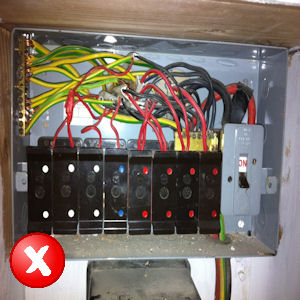
In 2024 alone there was 1,140 accidental electrical fires involving common household white goods, such as tumble dryers and washing machines, that is the equivalent of three fires per day. That said not every electrical fire is caused by white goods, older electrical installations are especially vulnerable as they were not intended to cope with the number of electrical appliances now found in the modern home. Very old Fuse boxes utilised wire fuses that were designed to protect the cable rather than the person. Cables dating back to the 1960’s often did not even have an earth wire.
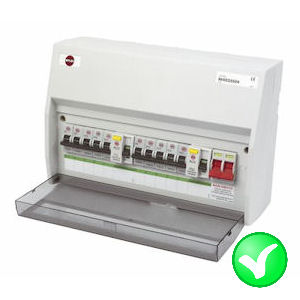
Each year in the UK there are fires which could have been easily prevented by the simple installation of a modern fuse box. Like everything in life maintenance is key if we do not want any unexpected problems to arise.
Gas, water and oil services should also have an earth wire attached to them to prevent the metal pipe work becoming live under faulty conditions and RCD fuse boxes should be made from a non combustible material and have a surge protection device fitted to help combat electrical shocks. Although it is now standard practice for new build properties to have both of these protection devices fitted this has not always been the case and isn’t present in many older installations.
Tips on How to Improve electrical Safety at Home
Here at Ramstead Electricians we care about electrical safety so below are some top tips on what you can do to keep yourself electrically safe.
- Make visual checks to your electrics with professional help. If you’re a home owner and are concerned about the condition of your electrical installation you can contact us for a free visual check of your properties wiring. This can be requested by contacting us via our contact form of dropping us a email via ramsteadelectricians@gmail.com or calling us on one of our office numbers. Please note this service is available to home purchasers and Landlords as an EICR for a nominal payment.
- Take great care with your DIY. DIY attempts result in nearly half of all severe electrical shocks in the home. A common DIY error is accidentally drilling, nailing or screwing things into cables hidden inside home walls. A quality cable detector can help you track buried cables before you start work will protect you from having to call out a electrician to rectify your error. RCD’s can save your life by cutting off the power in the event of an electrical fault caused by a DIY blunder. Make sure your have one fitted in your fusebox (consumer unit). Finally check the condition of the power tools your using, if leads are frayed get the tool repaired before using it and of cause be careful not to cut through your power tools lead.
- Remain vigilant in the kitchen. This area is of greater risk due to the load kitchen appliances require. Dont leave electrical appliances running unattended. Dont wrap cables around equipment that is still warm. Don’t try to clean appliances whilst they are still plugged in. Check your plug sockets are not overloaded with too many electrical appliances as this can lead to overheating.
- Remember that water and electricity are a deadly mix. The bathroom can be one of the most deadly rooms in the house when it comes to electrical safety. Enclosed IP65 rated lights are preferable to ones hanging down as they meet current wiring regulations and can prevent an electrical accident. Everyday light switches are a danger because of dampness and wet hands. A ceiling-mounted pull-cord switch is the safest option.
- Do not use electrical gardening equipment outdoors until it’s a dry day. Try to use a Residual Current Device (RCD) with all outdoor electrical equipment. If you don’t have one built into your fusebox, you should use a plug-in RCD or have a suitable outside socket fitted by a professional. Always switch off and unplug electrical gardening equipment before attempting to clean, adjust or check them. Be aware of where the electrical cable is at all times the last thing you want to do is cut it whilst in operation.
- Take the necessary precautions after a flood in your home, there is a high chance the electrics could be damaged. If you think water has entered your sockets, light switches etc. Switch off the electricity supply at the fuse box, if it is safe to do so. If there is evidence of water inside the fuse box or if there are signs of arcing or overheating, seek professional advice. Never assume everything is ok, if in doubt call out a local electrician.
- Exercise caution to prevent electrical fires. Consider updating your fusebox to one with an RCD (Residual Current Device) and Surge protection that will automatically switch off your electricity if a fault occurs. Have the electrical installation in your home checked by a registered electrician. We would recommend Homeowners having a EICR carried out on their property every 5 years, or when they move house. Privately rented properties also have to have this done every five years, or upon change of tenancy. Switch off electrical appliances when you’re not using them especially things that heat up like hairdryers and hair straighteners. Visit electrical safety first for other tips or ask your local electrician if you have any concerns. A good electrician will always give you free advice.

Electrical Safety First

To get a FREE SAFETY CHECK
& FREE QUOTATION
Call us NOW on 07952 287975
OR